
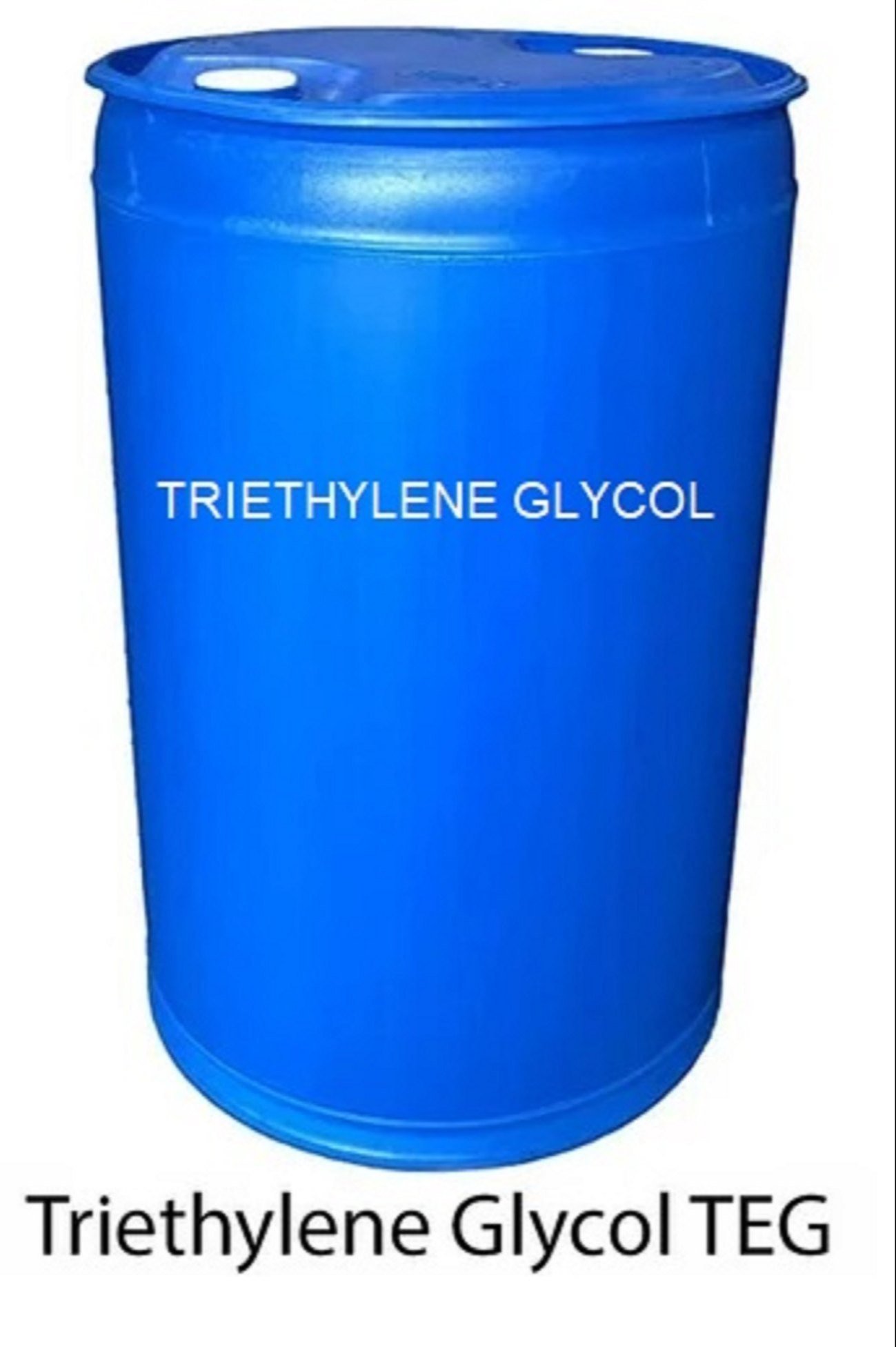
Triethylene Glycol (TEG) | Industrial Chemical
Triethylene Glycol (TEG) is an industrial chemical used in selected gas-dehydration, solvent and chemical-processing applications. The appropriate grade and specification depend on the intended process and the buyer’s technical requirements.
- Product name: Triethylene Glycol (TEG)
- Chemical name: 2-[2-(2-hydroxyethoxy)ethoxy]ethanol
- CAS number: 112-27-6
- Molecular formula: C₆H₁₄O₄
- Primary applications: Natural gas dehydration, industrial solvents and chemical processing
- Grade and purity: Confirm with supplier
- Packaging: Confirm available sizes
- Documentation: Request the applicable Safety Data Sheet (SDS) and Certificate of Analysis (CoA)
Safety: Review the current SDS and applicable workplace chemical-handling procedures before use.
Triethylene Glycol (TEG) | Industrial Chemical
Product Overview
Triethylene Glycol (TEG) is an organic chemical compound belonging to the glycol family. It is used in a range of industrial applications, particularly natural gas dehydration, selected solvent applications and chemical processing.
TEG is valued in industrial systems for its hygroscopic properties, meaning it can absorb moisture. In natural gas processing, it is commonly used in appropriately designed dehydration systems to remove water vapour from gas streams and help meet required moisture specifications.
The suitable grade, purity and technical requirements depend on the intended application. Buyers should compare the supplier’s product specification with their process requirements before placing an order.
Key Product Features and Benefits
1. Used in Natural Gas Dehydration
TEG is widely used as a liquid desiccant in suitable natural gas dehydration systems. The process design, operating conditions and required gas moisture specification determine the suitability of a particular product.
2. Industrial Solvent Applications
Triethylene Glycol is used in selected industrial formulations and solvent-related applications where its properties meet the process requirements.
3. Hygroscopic Properties
TEG can absorb moisture from its surroundings and from suitable process streams. This property is important in applications where moisture control is required.
4. Suitable for Specification-Based Procurement
Industrial buyers can evaluate TEG against their application requirements using the supplier’s technical data, product specification and batch-specific Certificate of Analysis (CoA), where available.
5. Product Documentation
The current Safety Data Sheet (SDS) and relevant technical documentation help buyers assess product handling, storage, quality parameters and suitability for their intended process.
Industrial Applications
Triethylene Glycol may be used in:
- Natural gas dehydration: As a liquid desiccant in suitable gas-processing systems.
- Chemical processing: In processes that specify TEG as a raw material or process ingredient.
- Industrial formulations: In selected formulations where the chemical’s properties are appropriate.
- Solvent-related applications: Where the required technical grade and process compatibility have been established.
- Other industrial uses: Subject to the manufacturer’s specification and the requirements of the application.
Not every grade is suitable for every application. Confirm compatibility and applicable requirements with the manufacturer or technical supplier before use.
Technical Product Information
- Product name: Triethylene Glycol
- Abbreviation: TEG
- Chemical name: Triethylene glycol
- CAS number: 112-27-6
- Molecular formula: C₆H₁₄O₄
- Molecular weight: Approximately 150.17 g/mol
- Physical state: Liquid under normal ambient conditions
- Appearance: Typically a clear, colourless liquid; verify against the supplied specification
- Grade: To be confirmed
- Purity: To be confirmed
- Packaging: To be confirmed
- Storage requirements: Follow the supplier’s current SDS and product documentation
Exact quality limits for purity, water content, acidity, colour and other parameters must be taken from the applicable product specification or batch CoA. Typical properties should not be presented as guaranteed values for the supplied material.
Packaging and Ordering Information
Before ordering Triethylene Glycol, confirm the following details with the supplier:
- Available container and drum sizes
- Minimum order quantity
- Product grade and purity
- Price, applicable taxes and delivery terms
- Manufacturer and country of origin
- Batch identification and traceability
- Availability of the current SDS
- Availability of a batch-specific CoA
- Storage and transport requirements
For industrial procurement, compare the offered specification against your purchase requirements before approving the material for use.
Safe Handling and Storage
Handle Triethylene Glycol in accordance with its current SDS, the workplace risk assessment and applicable chemical-safety procedures.
- Review the SDS before handling, transferring or using the product.
- Use suitable protective equipment and engineering controls as specified in the SDS.
- Avoid unnecessary contact with the eyes and skin.
- Use compatible, properly labelled and closed containers.
- Store under the manufacturer’s specified conditions and protect the product from contamination.
- Prevent spills from entering drains or waterways.
- Follow established procedures for spill response, first aid and disposal.
- Keep chemicals away from food and beverages and from areas used for food handling.
Do not assume that industrial-grade TEG is approved for food, pharmaceutical, medical or consumption-related applications. Confirm the exact grade, applicable approvals and compliance documentation for any specialised use.
Why Confirm the Specification Before Buying?
Industrial processes can have different requirements for purity, moisture content, quality consistency and packaging. Selecting a product based on a verified specification helps buyers determine whether it is appropriate for their equipment and intended process.
For gas dehydration and other moisture-sensitive applications, the process requirements and product documentation should be reviewed before the material is accepted.
Request Product and Supply Details
Contact Technosteer Online to confirm the available grade, purity, packaging, pricing, technical specification and delivery arrangements for Triethylene Glycol (TEG).
Before confirming an order, ensure the supplied material meets your process requirements and that the necessary safety and quality documents are available.
Only logged in customers who have purchased this product may leave a review.



























Reviews
Clear filtersThere are no reviews yet.